
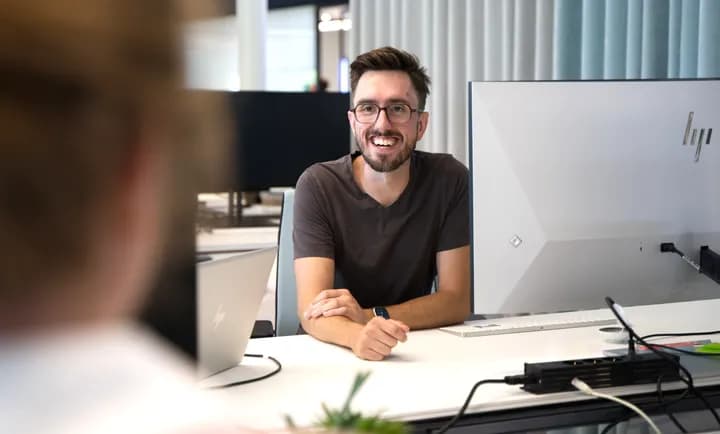
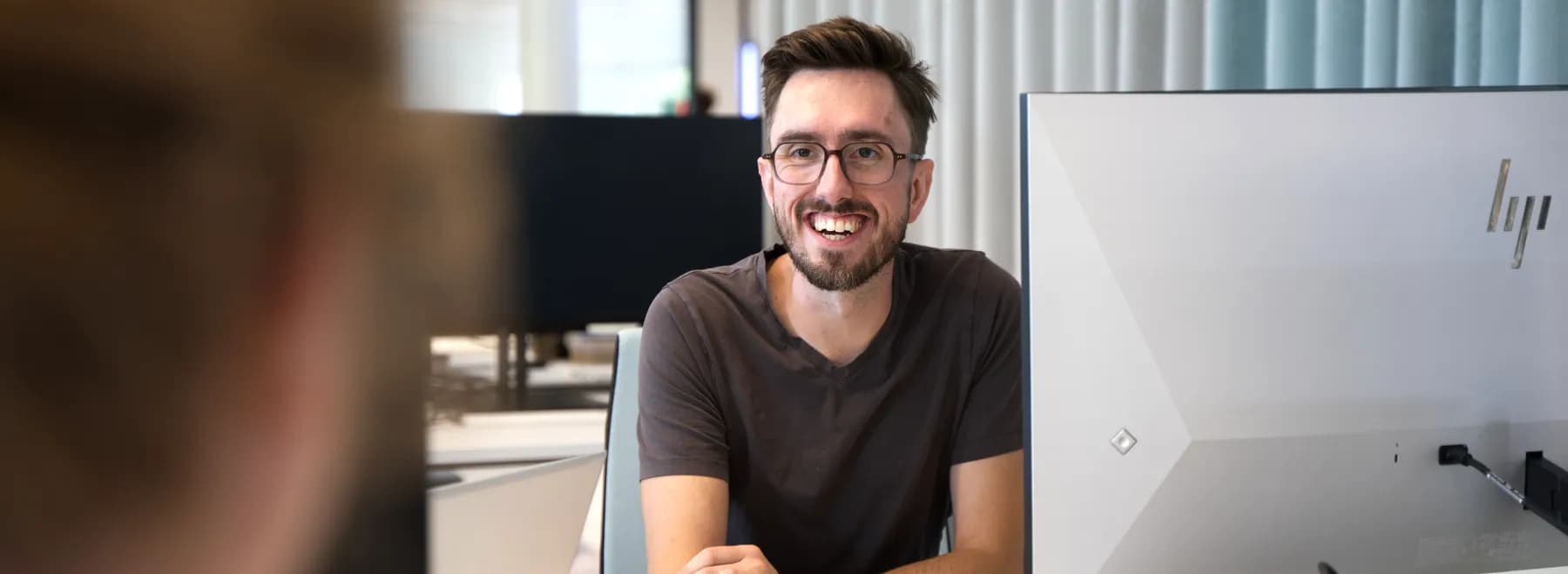
Thijs Dortmann
Software Developer
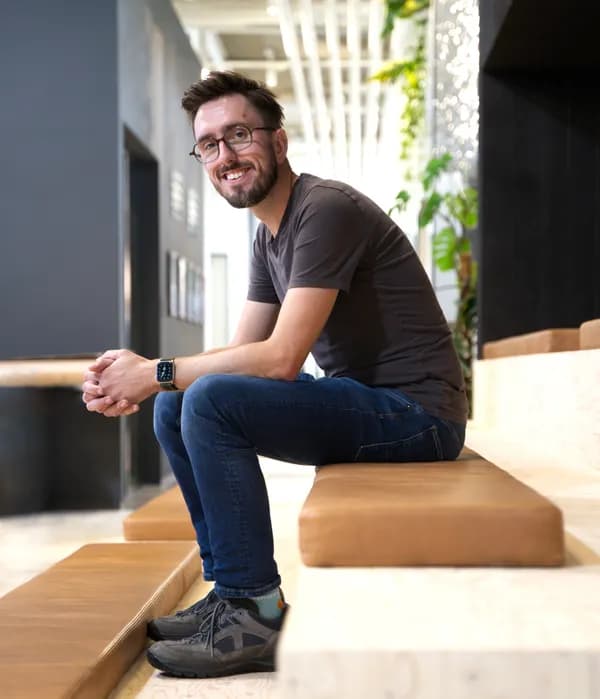
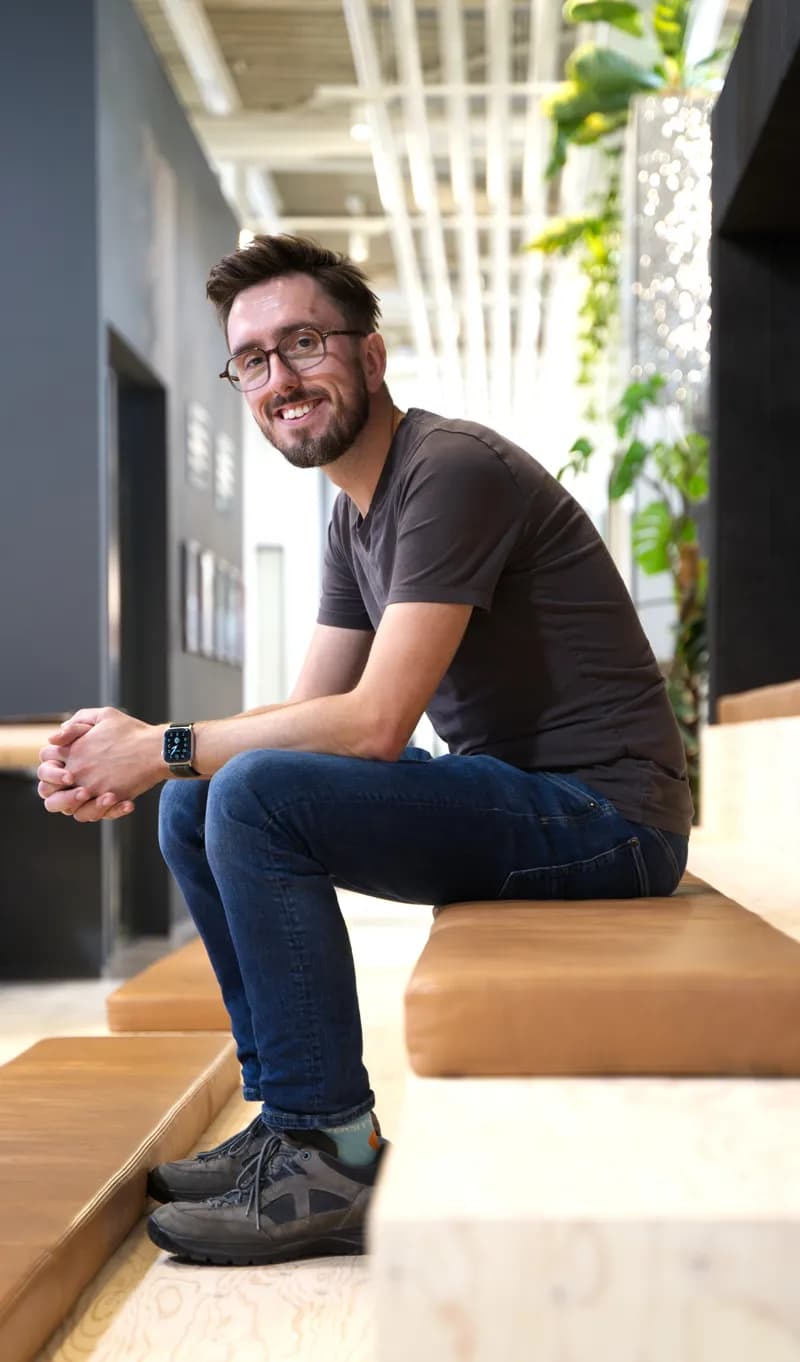
31 years old - Nedapper since 2020 - Studied Creative Technology - Works for iD Cloud Loss Prevention - Passionate about sports: running, cycling, climbing (including on Nedap’s climbing wall).
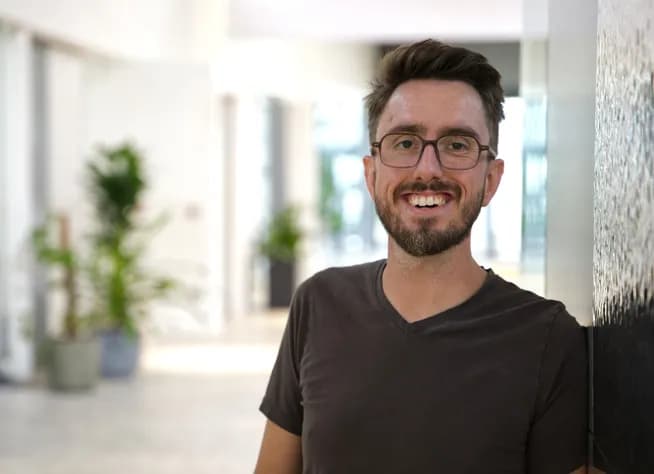
“Standing still is not an option. I want to keep innovating and, above all, be proud of what I deliver.”
Thijs Dortmann
Software Developer
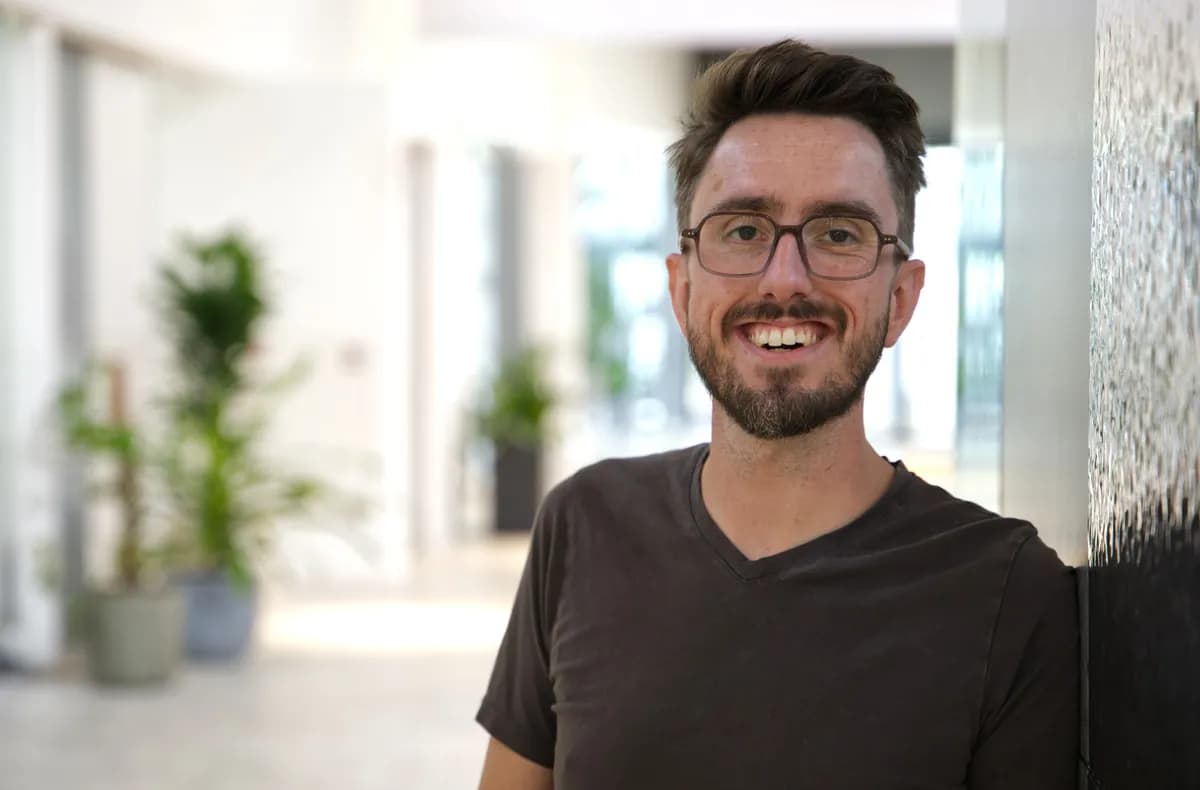
Owning and developing further
After my studies, I worked at a full-service digital agency, building many different platforms for various clients. I thought I would enjoy the variety, but I missed ownership. You might have a great idea, but if the client doesn’t pay for it, it goes straight into the garbage. That was frustrating. Through a friend who already worked at Nedap, I ended up here.
Here it’s completely different: you take responsibility for your product and keep building it step by step. You can truly own something, develop it further, and complete it—that’s exactly what gives me energy.
I studied Creative Technology, a mix of computer science, industrial design, and project management. That broad background really helps me now. I can bridge the gap between product-focused people and technical people, and that’s valuable.
Solving complex problems
I love creating new things, innovating, and solving real problems with them. You can truly make the lives of people in retail easier and more enjoyable.
You’re given a high-level problem, but no step-by-step plan. You have to figure out the solution yourself—and that suits me perfectly. That freedom to shape your role, combined with the trust that you can handle it, is what makes working here so rewarding. If you value ownership, this is the place. And it results in great projects.
Reality in the store
Within iD Cloud Loss Prevention, I work on smart solutions that help retailers detect theft. Most people know the gates in shops that beep if you haven’t paid for something. Today, we use RFID technology for that, which allows us to see exactly which product leaves the store. We then try to find reasons why it might not be theft—essentially, “guilty until proven innocent.” Maybe the item has been paid for, or it’s part of a shipment, for example.
In many retail organizations, employees spend full-time analyzing data on possible thefts: scrolling through endless lists of events, trying to figure out what really happened. Often manually, with camera footage next to it. That takes an enormous amount of time, and it’s not the most exciting work—but it’s crucial. If you don’t know where products disappear, you can’t do anything about it.
“Our way of working is really cool.”
Making work easier
Together with the team, we apply machine learning, a branch of AI where computers learn from data and recognize patterns without being explicitly programmed. We use data from store gates and cash registers to predict which signals are relevant and which are not.
Retailers see thousands of events a day, but most of them are not theft. With machine learning, we can train models to much better predict which events are relevant. That makes our customers’ work more efficient and enjoyable. They no longer have to click through endless lists but can focus on the real cases. It saves time, frustration, and costs.
And the beauty is: we also contribute to sustainability in retail. If we help reduce theft, our customers need to produce less and use fewer raw materials. In short: less waste.
“You tackle real problems and help people focus on work that’s genuinely interesting.”
Experimenting and developing
What we’re doing now is experimenting with new applications: how can we sort events more intelligently, automatically filter out irrelevant signals, and maybe even detect theft automatically? The ultimate goal is to minimize manual work as much as possible. I think it’s awesome to help build that.
Our way of working with data is new in the market. Standing still is not an option. We constantly challenge each other to spot new techniques and share them right away. Machine learning is a good example: we saw the need arise, jumped on it—partly out of curiosity, partly out of market demand. That’s how you keep growing.
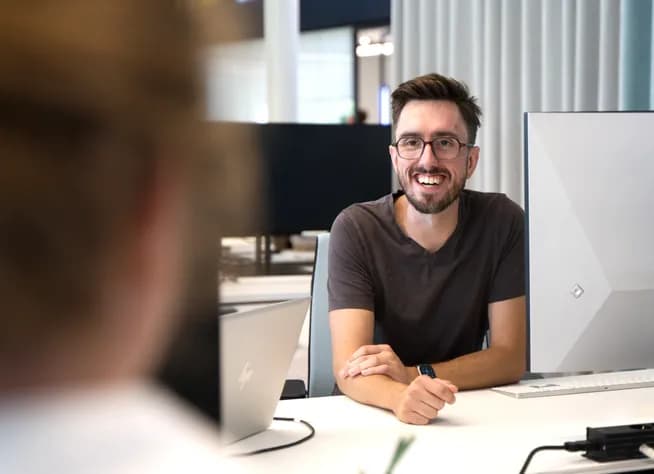
It’s great to explore and experiment together. For example, with my colleague Jelle, our Product Manager. He’s very strong with data and often builds combinations in Power BI. Suddenly he’ll say: “Hey, I see something there.” Then we look together at what it is and whether we can scale it into the product. That’s a great way of working.
Proud of what I do
At Nedap, you shape your own role. There’s room to grow and develop further. I started building small features. Now I’m also involved in big product decisions and how we set things up. That’s what I enjoy.
The challenges ahead are exciting: rolling out machine learning further, developing new features, improving products. In the future, I see myself moving more into product development. I want to keep building and innovating—that’s what gives me energy.
What I find really important is being proud of what I deliver. For example, when we’ve implemented an improvement that makes a customer very happy and they tell us so. I go all in, and I dislike it when people just do the bare minimum. Whether it’s software or window frames for my home renovation: for me, quality always comes first.
“Curiosity and the drive to improve are crucial.”
Thijs Dortmann
Software Developer
Want to know more?
See more
Do you want to know more about our vacancies? Or read more stories of Nedappers?